

Interior Design Decisions Homeowners Regret And How to Avoid Them
Interior Design Decisions Homeowners Regret And How to Avoid Them
Have you ever worried about making a design decision in your new home that you might regret later?
For many first-time homeowners, planning interiors is exciting but also a little overwhelming. There are endless choices to make for wardrobes, storage, lighting, colours, layouts, and materials. Everything looks good during the design stage, but once daily life begins, some choices can feel less practical than expected.
This is exactly where many interior design decisions homeowners regret begin. Most of the time, it is not because homeowners chose something wrong, but because a few important interior design mistakes to avoid were simply not considered during the planning phase.
A well-designed home should do more than look beautiful on day one. It should make everyday living easier, stay organized, and continue to work well for years. Understanding the right design decisions early can help homeowners create interiors they will appreciate long after the excitement of moving in settles.
Design Choices That Make Your Home Work Better for Years
Some interior decisions may feel small during the design stage, but they have a big impact on how comfortable and practical your home feels every day. Thoughtful planning early on can help homeowners avoid design regrets and create spaces that remain easy to live in for years.
Plan Better Wardrobe Storage to Avoid Future Clutter
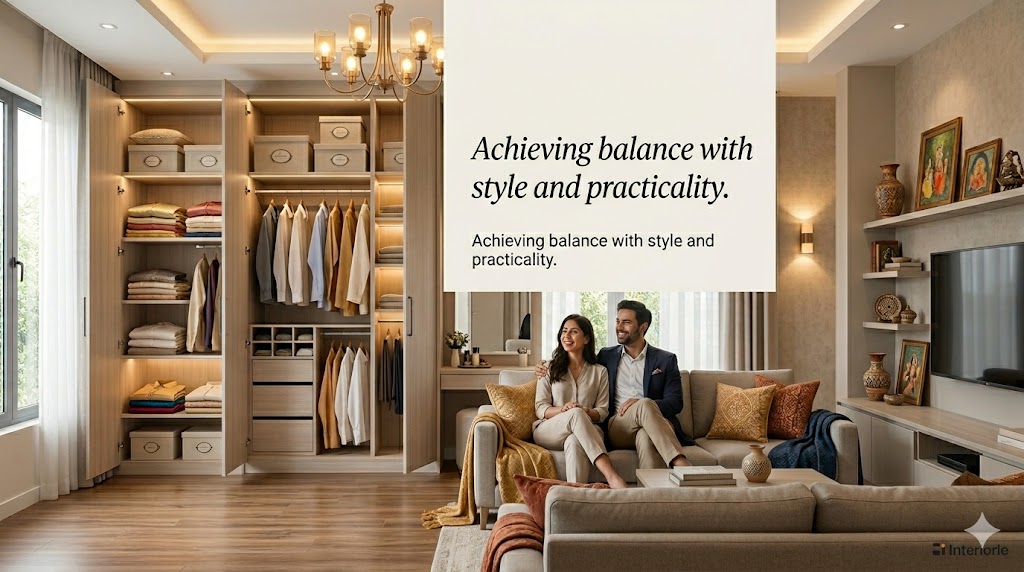
One of the most common interior design mistakes to avoid is underestimating how much storage a home really needs. Many wardrobes are designed to look sleek but end up feeling cramped once clothes, luggage, blankets, and seasonal items are added.
In most Indian homes, wardrobes carry much more than daily clothing. Festive wear, extra bedding, suitcases, and accessories all compete for space. Increasing wardrobe depth slightly and adding internal organizers can make a huge difference in usability. When storage is planned properly from the beginning, the home feels far more organized and practical over time.
Choose Closed Storage for Cleaner, Low-Maintenance Spaces
A practical rule in many functional home interiors is simple: if you use it every day, it probably needs storage. Open shelves may look great in design photos, but they often collect dust and clutter quickly. Closed cabinets help maintain a calm and organized look, especially in living rooms, entryways, and kitchens.
TV units with hidden storage, shoe cabinets near the entrance, and well-planned kitchen cabinets keep everyday items out of sight while still being easily accessible. These small design decisions help the home feel tidy without constant effort.
Start with Neutral Interiors That Age Gracefully
One of the smartest home interior design tips is to avoid committing to bold trends on permanent surfaces. Wall colours, laminates, and large furniture pieces influence the look of a home for many years. Neutral tones such as warm beiges, soft greys, and natural wood finishes tend to age much better than strong statement colours.
Instead of redesigning the space every few years, homeowners can introduce personality through décor elements like cushions, rugs, artwork, or curtains. This keeps the home feeling fresh while maintaining a timeless base.
Plan Your Lighting Early in the Interior Design Process
Lighting is one area where good interior design planning tips can prevent future frustration. Many homeowners realize after moving in that certain spaces feel dim or inconvenient for daily activities. A single ceiling light is rarely enough to support different routines throughout the day.
Layered lighting works best. Ambient lighting brightens the room, task lighting supports specific activities like cooking or reading, and accent lighting adds warmth and character. Planning these layers early avoids costly electrical changes later.
Design Interiors Around Daily Life, Not Just Looks
One of the biggest regrets of homeowners is designing spaces that look beautiful but don’t support everyday routines. Every household has unique needs. Families may require more storage and durable materials, while professionals working from home may need a comfortable workspace. Homes that are designed around real lifestyle patterns tend to stay comfortable and practical for years.
Choose Materials That Age Well and Are Easy to Maintain
Many home interior design mistakes happen when materials are chosen only for their appearance rather than their long-term practicality. What looks beautiful in a showroom may not always work well in a home that is used every day. When interiors are planned with maintenance in mind, the home stays looking fresh with much less effort
Tips to choose the right materials:
- Choose laminates and finishes that are scratch-resistant for frequently used furniture.
- Avoid very glossy surfaces in high-touch areas as they show fingerprints easily.
- Select easy-to-clean materials for kitchen cabinets and countertops.
- Pick durable fabrics for sofas and chairs, especially in homes with kids or pets.
- Use moisture-resistant materials in kitchens, utility areas, and bathrooms.
- Choose hardware like hinges and channels from reliable brands for longer durability.
- Prefer neutral, timeless finishes that will not feel outdated in a few years.
- Test samples in natural light before finalizing colours or texture
Smart Interior Design Decisions by Interiorle That You Won’t Regret
The most satisfying homes are the ones that continue to feel comfortable and practical long after the interiors are completed. When design decisions are made thoughtfully, homeowners don’t have to deal with constant adjustments, clutter problems, or expensive modifications later.
Planning interiors with long-term living in mind helps create spaces that support daily routines, stay organized, and remain visually appealing over time. Small decisions around storage, lighting, materials, and layout often make the biggest difference in how enjoyable a home feels to live in.
For homeowners planning their apartments in Hyderabad, working with the right design team can make the entire process easier and more thoughtful. At Interiorle, the focus is on understanding how families actually live in their homes and translating that into interiors that are practical, comfortable, and built to last.
The most common mistakes include underestimating storage needs, choosing trendy over timeless finishes, poor lighting planning, selecting materials that are hard to maintain, and designing for looks rather than daily lifestyle needs.
Plan your interiors around how you actually live. Focus on practical storage, layered lighting, neutral base finishes, and durable materials. Working with an experienced interior design team early in the process also helps avoid costly changes later.
Indian households typically store much more than daily clothing — festive wear, extra bedding, luggage, and accessories all need space. Without proper planning, wardrobes quickly feel cramped. Adding depth and internal organizers from the start makes a big difference.
Closed cabinets are generally more practical for everyday use. Open shelves tend to collect dust and look cluttered quickly. Closed storage in living rooms, kitchens, and entryways keeps the home looking tidy with minimal effort.
Layered lighting works best — a combination of ambient lighting for general brightness, task lighting for specific activities like cooking or reading, and accent lighting for warmth and character. Planning this early avoids expensive electrical rework later.
Scratch-resistant laminates, moisture-resistant surfaces for kitchens and bathrooms, durable upholstery fabrics, and hardware from reliable brands all contribute to interiors that age well and are easy to maintain.
Stick to neutral base tones like warm beiges, soft greys, and natural wood finishes for permanent surfaces. Introduce bolder colours and personality through easily changeable elements like cushions, rugs, curtains, and artwork.
Yes, especially for first-time homeowners. A good interior design team helps you make practical, long-term decisions around storage, layout, materials, and lighting — saving you from expensive modifications down the line.

Leave a Reply